
When artificial intelligence first made its entry into the world of marketing, it caused understandable concern across the industry. Fears of job loss, creative stagnation, and automated dominance quickly spread—especially among digital marketing professionals. However, the truth is far more nuanced.
While AI is transforming how we work, it’s not poised to replace digital marketing agencies in India—or anywhere else—anytime soon. In fact, it’s becoming a powerful tool that agencies use to deliver better results. Here’s why human-led agencies continue to be indispensable:
1. Thinking Outside the Box
AI works on data it has already collected. It analyses patterns and offers output based on past behaviours. While this is helpful for identifying trends, it limits originality. Marketing campaigns today demand out-of-the-box thinking—new concepts that can capture audience attention amidst clutter. Only human minds can bring that freshness and creative disruption to the table. Agencies thrive on brainstorming sessions, instinct, and cultural context—something AI still can’t emulate.
2. Emotional Intelligence Matters
Effective marketing connects emotionally. It understands consumer pain points, builds empathy, and presents a solution in a relatable manner. AI can mimic tone, but it doesn’t truly “understand” emotion. It lacks the ability to read between the lines or respond to the unsaid. Agencies staffed with emotionally intelligent professionals can deeply understand consumer journeys and build lasting brand connections.
3. Navigating Algorithm + Authenticity
To rank on search engines, content must demonstrate experience, expertise, authority, and trust (E-E-A-T). It also needs to resonate with humans. AI can assist with drafting and SEO prompts, but agencies know how to strike the right balance between algorithmic demands and genuine brand voice. Moreover, plagiarism-free, original content remains a top priority—and this often requires careful human input and editing.
As many companies and platforms now add disclaimers clarifying that their content is not AI-generated, the push for authenticity is stronger than ever. Google’s stance on AI content continues to evolve, but it’s clear that quality and originality still win.
4. Real-Time Adaptability
Trends, memes, algorithms, and consumer sentiments change daily. AI tools often rely on outdated or static datasets and may lag behind in processing the latest trends. On the other hand, marketing agencies actively track market shifts, social sentiment, platform updates, and cultural conversations—responding in real-time. This agility is crucial to keep campaigns relevant and impactful.
5. Cultural Sensitivity and Ethics
What’s funny to one audience may be offensive to another. An effective campaign considers cultural values, generational nuances, and evolving ethical standards. AI lacks the lived experience and social awareness required to make these judgments. Digital marketing agencies bring not just strategy, but sensitivity. They localise messaging, avoid tone-deaf blunders, and build inclusive campaigns that reflect today’s diverse audiences.
6. Legal & Privacy Boundaries
AI tools don’t naturally factor in legal compliance, copyright considerations, or data privacy laws. Marketing often requires dealing with client-specific, sensitive, or confidential data—something that cannot be blindly fed into AI systems. Agencies are better equipped to understand these nuances, consult legal experts where needed, and ensure campaigns remain both effective and compliant.
Final Thoughts: The Human Touch Still Wins
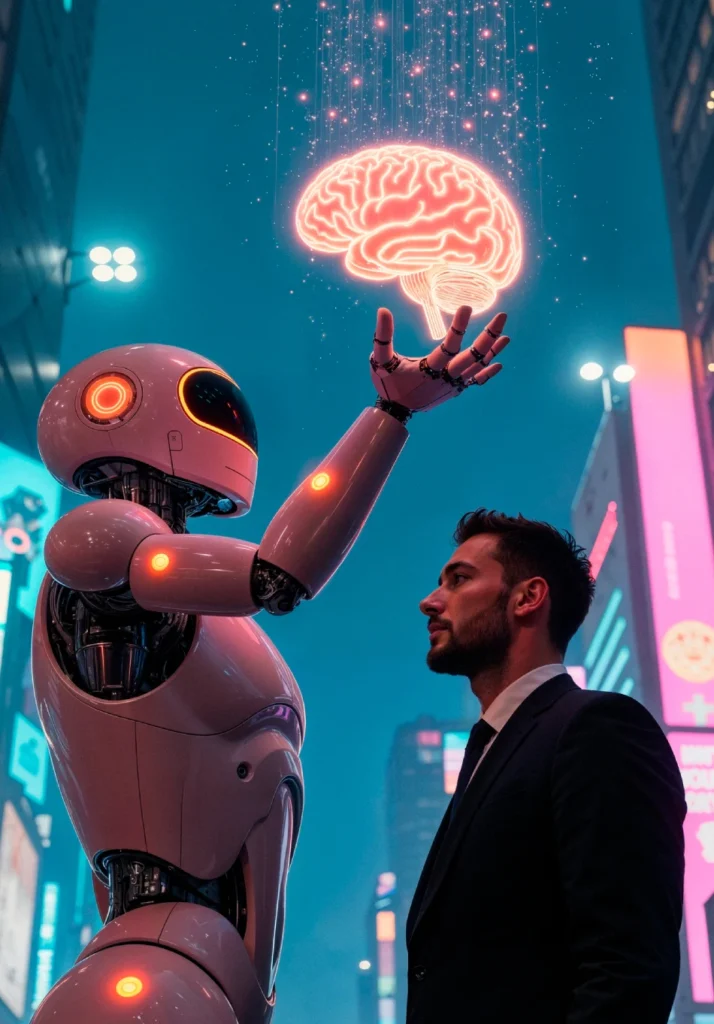
AI can automate routine tasks, crunch vast amounts of data, and even suggest content ideas. It’s a remarkable co-pilot. But it still can’t replace the human brain’s creativity, emotional understanding, cultural sensitivity, or strategic adaptability.
In 2025, digital marketing agencies in India and across the globe are not being replaced—they are evolving. By integrating AI as a supportive tool, agencies can become faster, smarter, and more efficient—without losing the human edge that makes brands truly connect.
Artificial intelligence may be smart. But marketing still needs emotional intelligence.


